Table of Content
What makes most mass-produced security systems attractive is their smart capability. You can easily connect to your cameras and alarms from anywhere around the world, allowing you to keep an eye on things even when you're away. Perhaps you've been considering installing a home security system to better protect yourself and your family. Unfortunately, it can be quite expensive to sign up for most home monitoring services. Not only can your heating be monitored and controlled using smart technology, but so can your other utilities and bills.
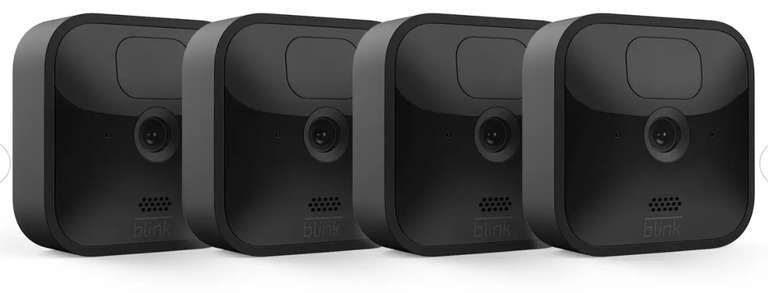
MotionEyeOS, one of the many operating systems available for Raspberry Pi, can help you achieve this. Sorry, but this browser or your browser version is not supported. For a better browsing experience, we recommend you update your browser.
SkyLink – Features
You have a magnetic reed switch secured to the doorframe and a magnet attached to the door itself. Whenever the magnet gets too close, the reed switch is triggered, providing a clear indication of whether the door is open or closed. An ESP8266 microcontroller then transmits the status of the reed switch via Wi-Fi. You probably want to have some sort of motion detection in your DIY home security system.
While the mobile app is easy to use, it took a while for Wyze to allow multiple users like with Wyze cameras—other family members needed the physical keypad to arm and disarm the system. Your schedule affects how you receive and respond to notifications. If you're away often, professional monitoring may be best because the alarm monitoring center alerts authorities if you're unavailable when an alarm triggers.
The Pros and Cons of a DIY Home Security System
It’s also quite easy on the budget, with prices as low as $35. The technology, in our tests, was consistently reliable, and the installation is a breeze thanks to flexible wire-free cameras that you can set up basically anywhere. In the long term, this company is likely to add new features to make it even more robust. But we’re already impressed with Scout’s existing automation features. It’s one of our best systems that work with IFTTT, as well as one of our best systems that work with Apple devices.

The Best Home Security Systems in Canada Find the best home alarm system to protect your house. Not usually, but systems compatible with Z-Wave technology allow you to customize your home with third-party products like smart light bulbs and outlets. Always verify that your DIY house alarm system doesn't have a contract (our top five picks don't require contracts) since it might renew for a new term if you move. Generally, DIY systems come with peel-and-stick sensors that attach directly to the wall. They are usually easy to remove, and you can replace the adhesive in your new place.
What is Door Alarm Sensor
A security system with limited equipment options will usually have limited monitoring capabilities. Their monitoring plans—Copper, Silver, Platinum—range from $19.99 up to $54.99, depending on the bundle you buy and whether it uses broadband, cellular, or landline. Their equipment offering includes all the industry standards. In addition, they also have a recessed door sensor, garage door controller, smart light, wireless light control, and smart lock. Their professional monitoring plans—Protective, Interactive and Ultimate—all require a three-year contract.
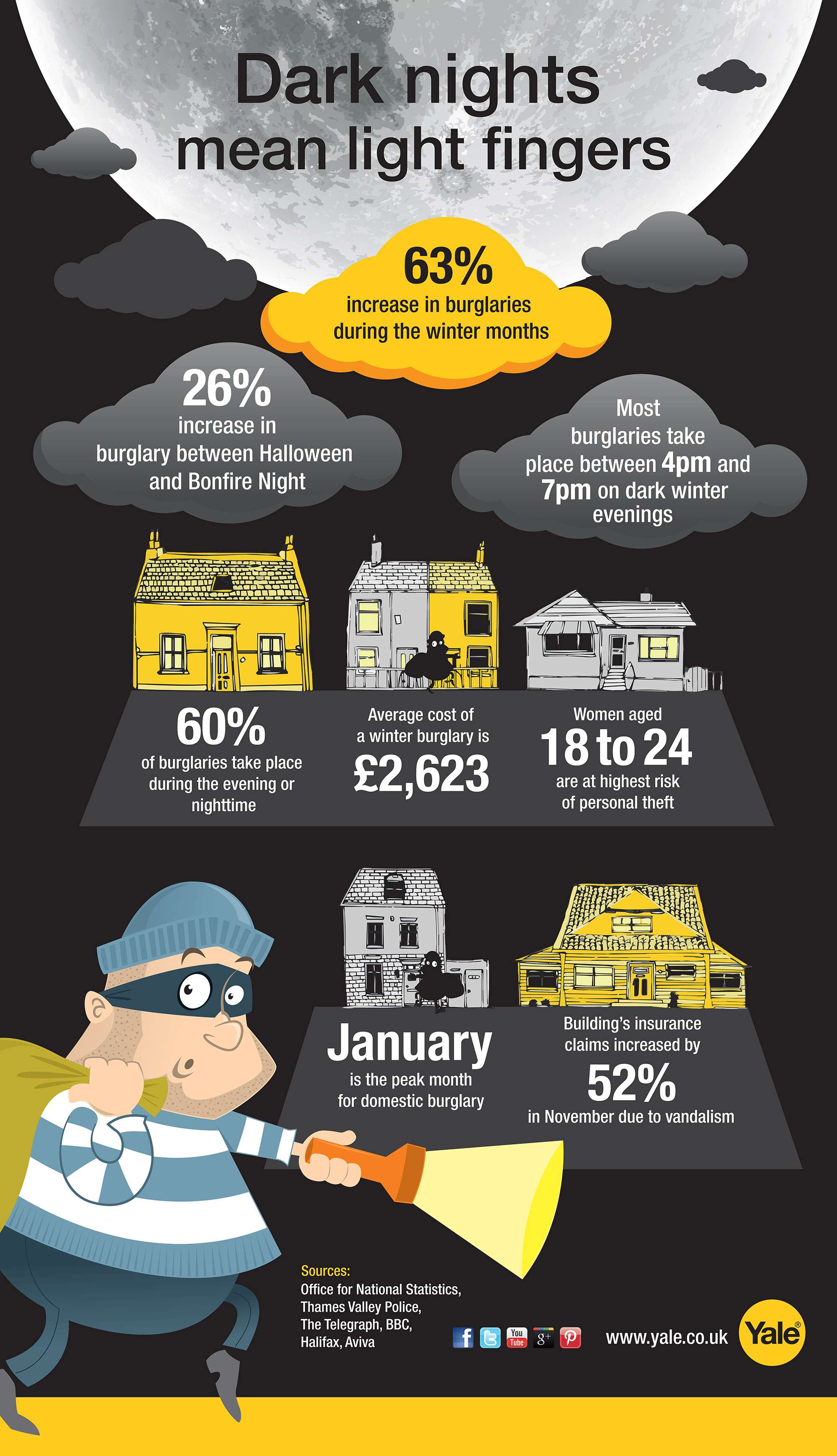
They get their juice from cellular signals , which just about guarantees around-the-clock uninterrupted protection. Get 24/7 home security the modern way — only with cellular monitoring. A great many security cameras out there are easily identifiable by what purpose they serve. This really helps us, as testers and reviewers, understand where we should install them in our home. At the risk of stating the obvious, we know the camera should be installed outside if it has “outdoor” in the name.
Most DIY home security systems do not require a monthly subscription and come with live feed viewing, push notifications and alerts, local storage options and more at no extra cost. If you want advanced features, such as cloud storage, smart alerts or emergency calling, those will likely come at the cost of a subscription. Fortunately, most service subscriptions are just a couple bucks per month. Still, if you don't want one at all, the home security brands and products listed below, and many others not mentioned here, do not require a subscription.
We favored systems that aren’t tied to long-term contracts and that don’t charge either early termination fees or monthly service fees. We preferred companies that offer a wide variety of security equipment and accessories, as well as pre-designed and build-your-own bundles with the ability to expand systems later on. If you choose self-monitoring, DIY systems can range between $10 and $50 per month. Depending on your system, the upfront cost can range between $100 and $1000.
There are no expensive tools to buy or large scale remodeling projects to worry about. These companies broke down the process to make sure the instructions were clear and easy to follow. Most offer a no-cost helpline and customer service representatives to help answer all of your questions. If you find it necessary to get help, you can call and speak to a representative.
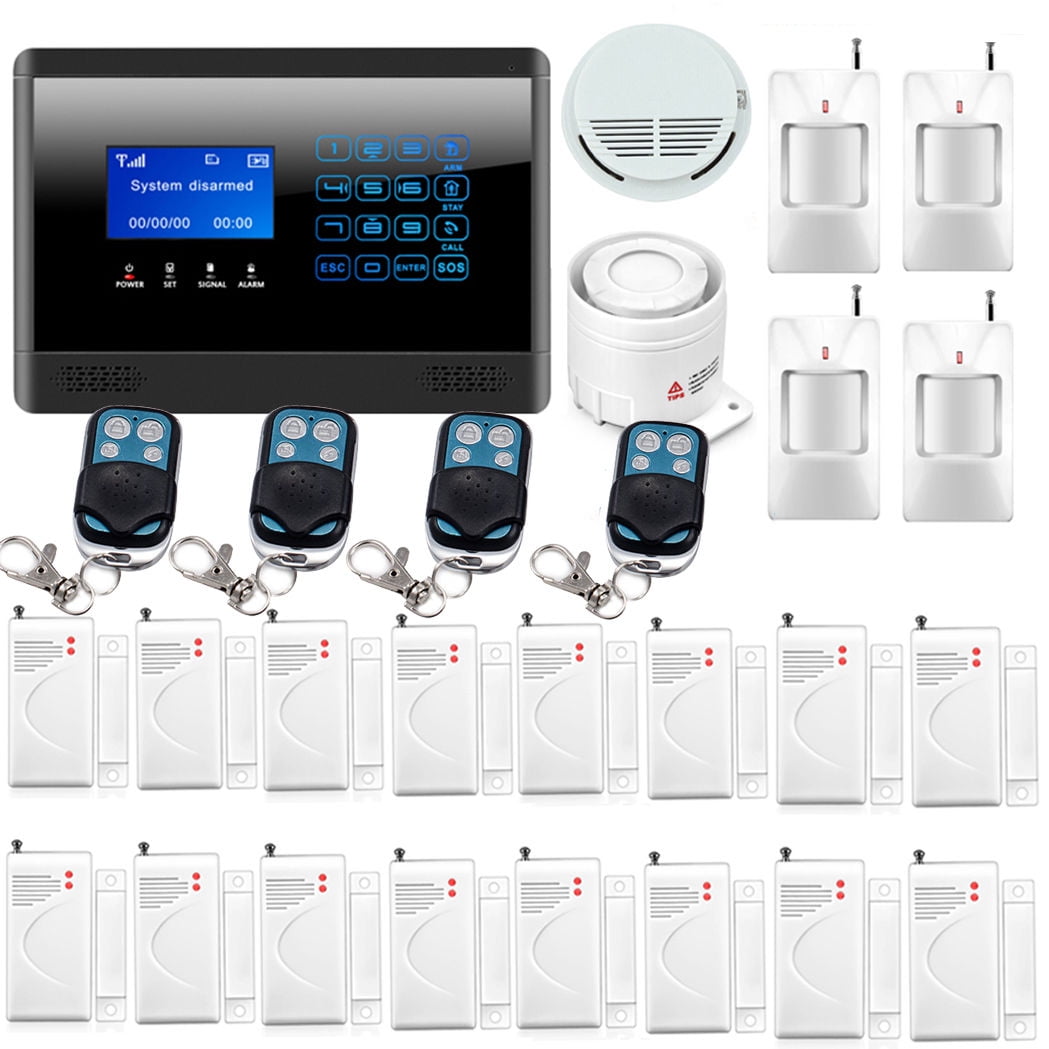
Our editorial decisions are ours alone, and our recommendations are based solely on our expertise, experience, and opinions. When we endorse, rank, or review products and services, we’re making independent judgments that you can trust. Your house size determines how many contact sensors you'll need. At a minimum, you should have a door and window sensor at each main entry point—exterior doors and easily accessible windows. This may mean only one contact sensor if you live in an apartment or dozens if you have a larger house with multiple exit points. Some devices, like video doorbells, light switches, and thermostats, require light electrical work.
Arm and disarm the system, hit the panic button, and simply enjoy the controls that fit in your pocket or purse. It’s the 21st century after all, and we’d expect nothing less. Most will send you mobile phone alerts if activity is detected. Most can be self-monitored at no charge using your mobile device. To maintain reader trust, we must remain unbiased, truthful, and thorough.


No comments:
Post a Comment